Heritage guide
Ayutthaya Temples, Palaces and Museums Guide: Best Wats to Visit
Once the glittering capital of Siam, Ayutthaya is now a UNESCO World Heritage site filled with atmospheric ruins, sacred temples and riverside palaces. This guide gathers the most important places to see on your visit.
Use it as your planning hub for Ayutthaya temples, palaces, ruins, sacred sites and museums. You will find opening hours, entrance fees, map notes and the best times of day to visit each place.
Quick planning tips
Book a Tour Guide in Ayutthaya
Visit early and late in the day
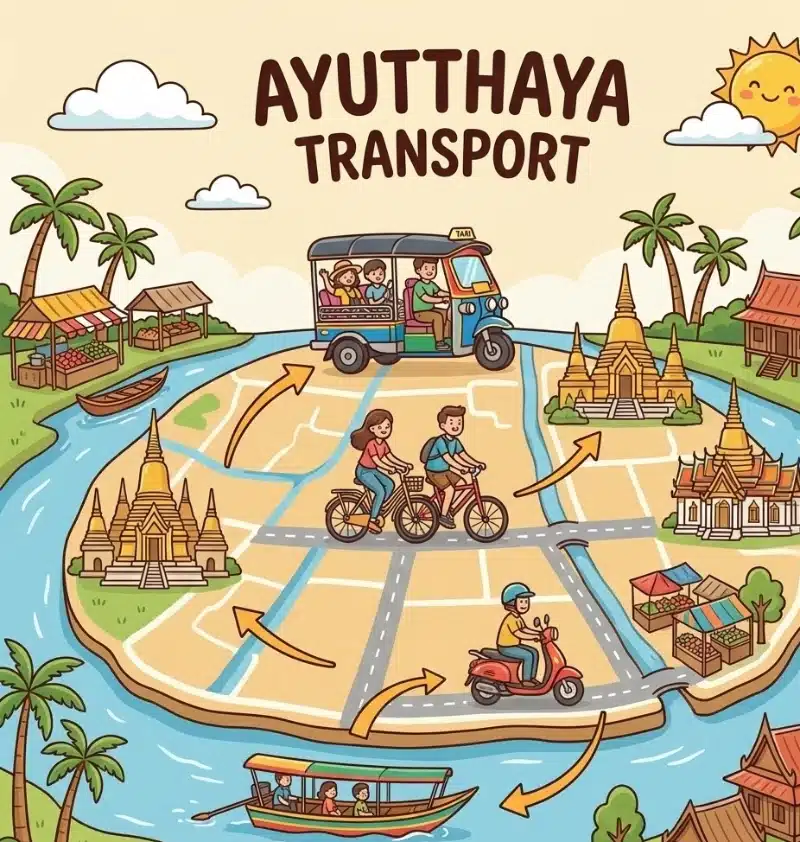
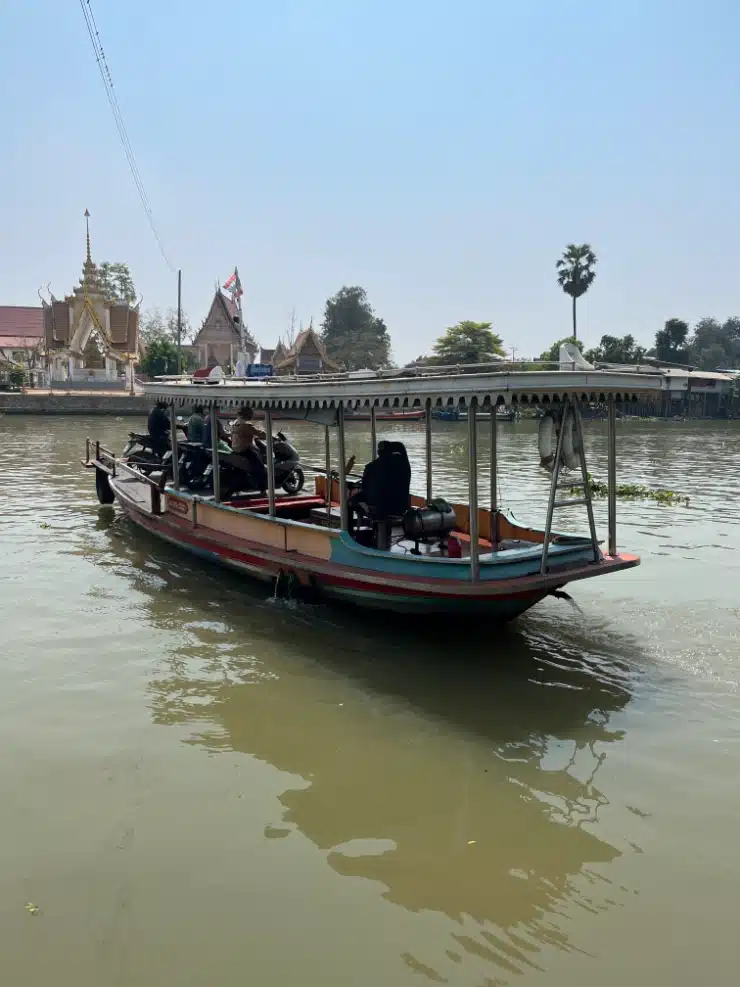
Use bikes, tuk tuks and boats
Most visitors enjoy one full day for central temples and a second day for riverside temples, Bang Pa In Palace and the main museum. Mix morning ruins with shaded cafes and indoor galleries at midday.
Discover Ayutthaya: Best Temples, Dress Code, Tour Tips
Ayutthaya, capital of Siam from 1350 to 1767, was once one of the largest and richest cities in Asia. Today its temple spires, palace foundations and riverside forts form a protected UNESCO World Heritage site that is easy to explore from Bangkok.
This guide introduces around thirty of the most important places to visit. They are grouped into temples, palaces, ruins, sacred sites and museums so you can design an itinerary that suits your interests and time. Within each entry you will find what the place is known for, how much time to allow, opening hours, entrance fees and simple visiting tips.
Tip: choose two or three top temples, one palace or fort and one museum as anchors for your day. Then add smaller sacred sites and historic quarters nearby so you are moving in relaxed loops instead of zig zagging across the island.
You do not need to see everything to enjoy Ayutthaya. Even a handful of well-chosen sites will give you a vivid sense of royal processions, river trade and everyday life in this former capital.
Discover Up to 30 key sites
5 easy categories
1-3 days suggested
Temples and ancient sanctuaries
Ayutthaya is best known for its temple ruins. Some are quiet fields of brick stupas, others are active monasteries filled with chanting and incense. These are the core stops for most visitors.
Wat Phra Si Sanphet (วัดพระศรีสรรเพชญ์)
Once the royal chapel inside the Grand Palace, Wat Phra Si Sanphet was the most important temple of the Ayutthaya kingdom. It had no resident monks and was reserved for royal ceremonies. On a raised platform stand three restored bell shaped chedi that held the ashes of Ayutthaya kings. The temple once housed a sixteen meter gilded standing Buddha that was looted and melted after the 1767 invasion.
The prayer hall and other buildings were destroyed, yet the three stupas still dominate the skyline and give a strong sense of the old royal city. Walking the central axis helps you imagine royal processions moving between palace and chapel.
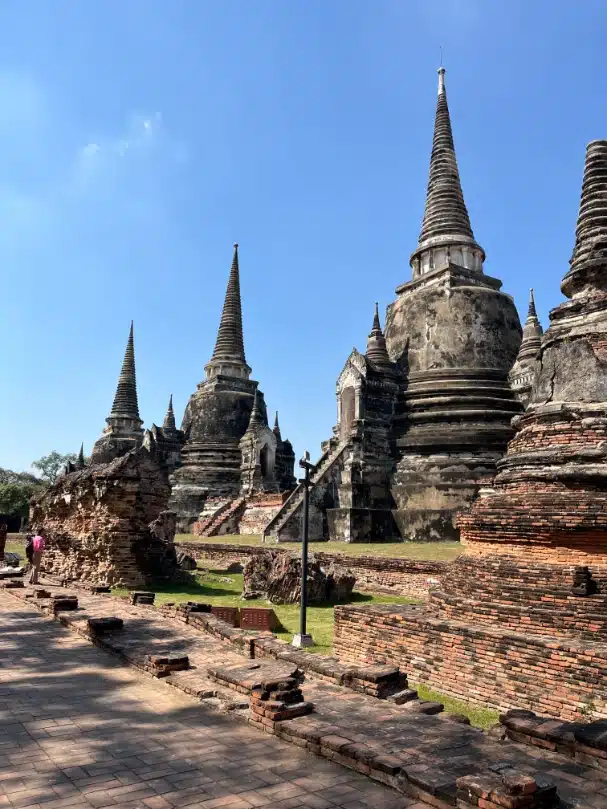
Prominence: ★★★★★ (Top Highlight) – A former royal temple, famed for its elegant trio of chedis and historical significance.
Visitor Tips: This site can be hot by midday due to minimal shade – carry an umbrella or hat. An adjacent hall, Wihan Phra Mongkhon Bophit, contains a huge Buddha statue (see Sacred Sites) and is worth a quick visit while here. Dress modestly out of respect (no shorts or sleeveless tops) since the grounds are sacred.
Best Visited: Morning, when the site is quieter and the sun illuminates the stupas from the east.
Wat Mahathat (วัดมหาธาตุ)
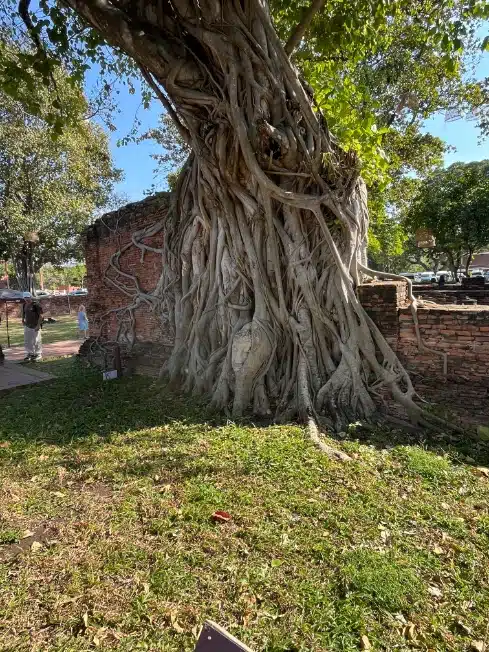
Famous for the Buddha head entwined in tree roots and for its central role in Ayutthaya’s religious life.
Wat Mahathat, the Temple of the Great Relic, was one of Ayutthaya’s most important monasteries and held relics of the Buddha. Its central prang has partly collapsed but the base still shows the temple’s scale. The most famous feature is the Buddha head gently cradled by banyan roots, a powerful image of nature reclaiming the city.
Scattered around you will see rows of headless Buddha statues and ruined stupas, silent reminders of the city’s fall in 1767. Despite the crowds, the inner courtyards can feel surprisingly calm.
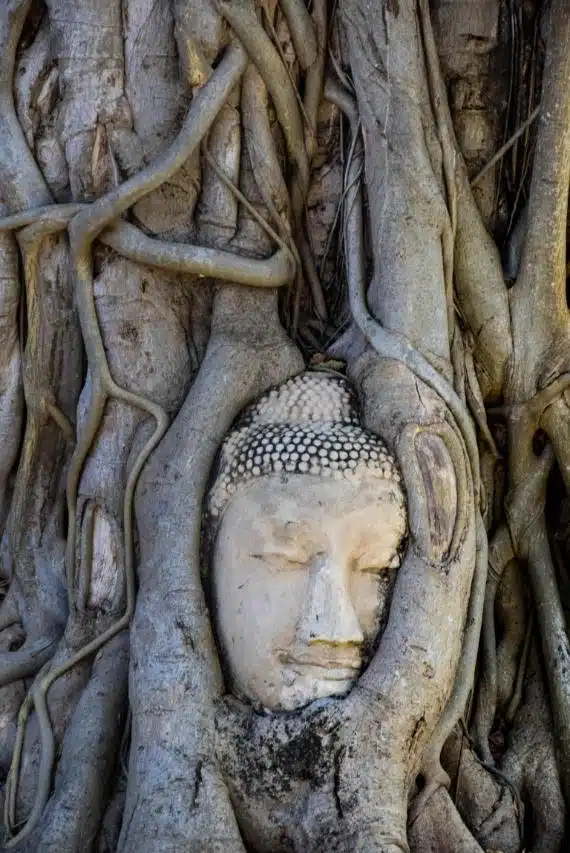
Prominence: ★★★★★ (Top Highlight of Ayutthaya) – A symbolic site of the old capital, world-famous for the Buddha head in the roots.
Visitor Tips: the Buddha head is considered very sacred. Take photos while kneeling and never stand with your head above it. Arrive early to enjoy a quieter atmosphere before tour groups.
Best Visited: Morning, when soft light and fewer visitors allow a peaceful experience of the Buddha head and ruins.
Wat Chaiwatthanaram (วัดไชยวัฒนาราม)
Dramatic riverside temple with a Khmer style central tower, perfect for sunset views.
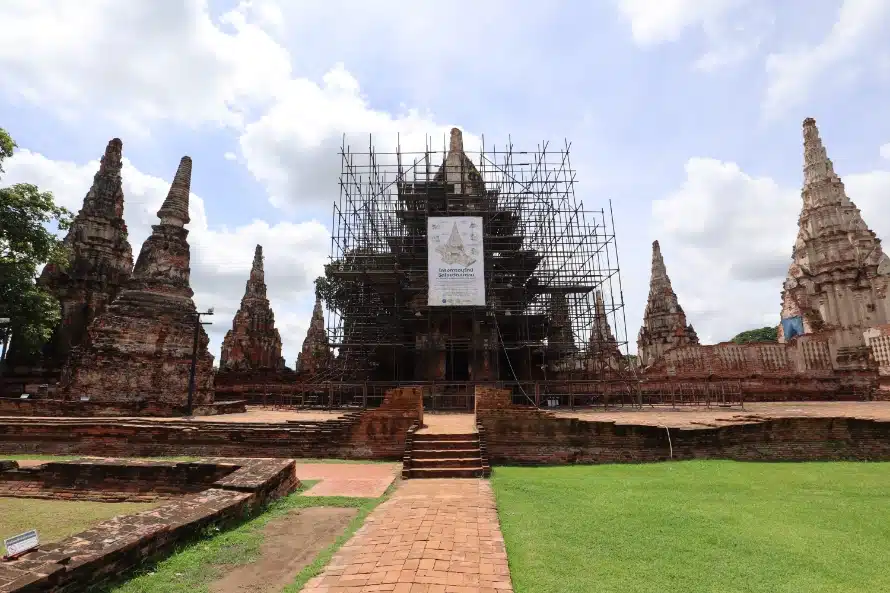
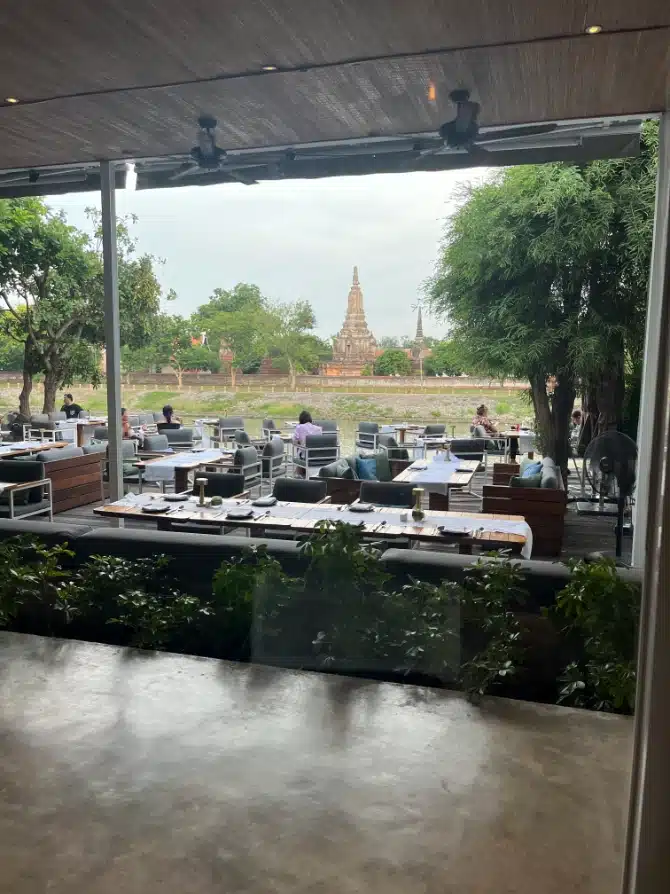
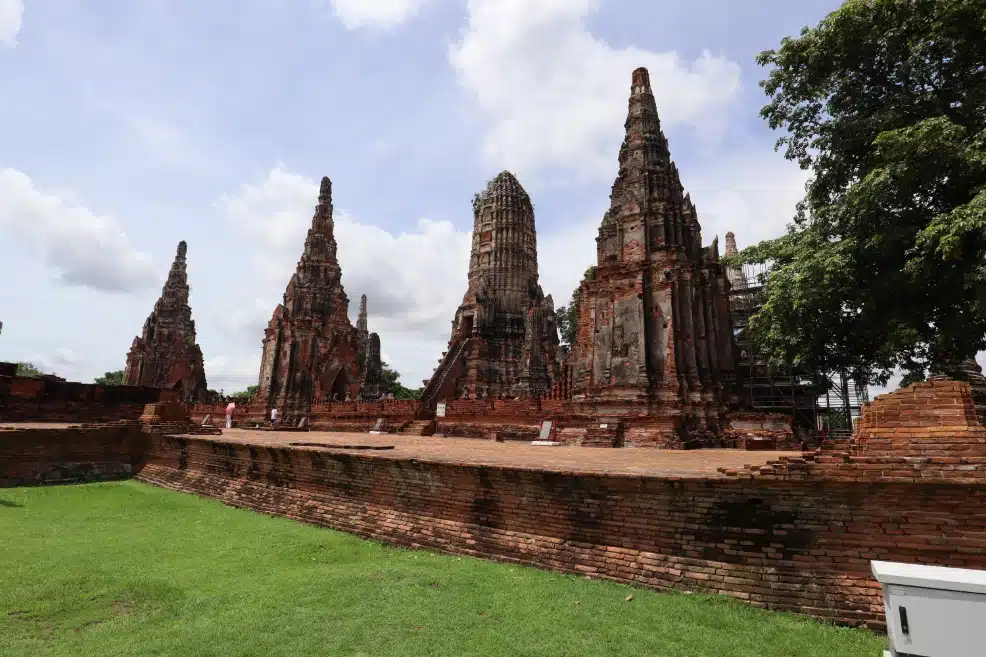
Built in 1630 by King Prasat Thong, Wat Chaiwatthanaram sits dramatically on the west bank of the Chao Phraya River. A tall central prang rises from a platform ringed by smaller stupas and galleries, creating one of the most impressive temple silhouettes in Ayutthaya.
The temple was once used as a military base, later restored and is now popular for sunset visits. In the late afternoon the brick towers glow warm orange and after dark they are often softly lit, giving the whole complex a cinematic feel.
Prominence: ★★★★★ (Top highlight) and one of the most beautiful temples for photography. Especially good in the evening.
Visitor Tips: This site is stunning at sunset, when the brick ruins glow orange, plan to arrive by 5pm. You can also view it from a boat tour on the river. There’s minimal shade, so sunscreen and hats are a must. Drones are not allowed without permission. Respect the ruins by not climbing on the chedis.
Best Visited: Evening, for stunning sunset photography and cooler temperatures.
Wat Yai Chai Mongkhon (วัดใหญ่ชัยมงคล)
Living monastery with a giant victory stupa, reclining Buddha and rows of saffron robed statues.
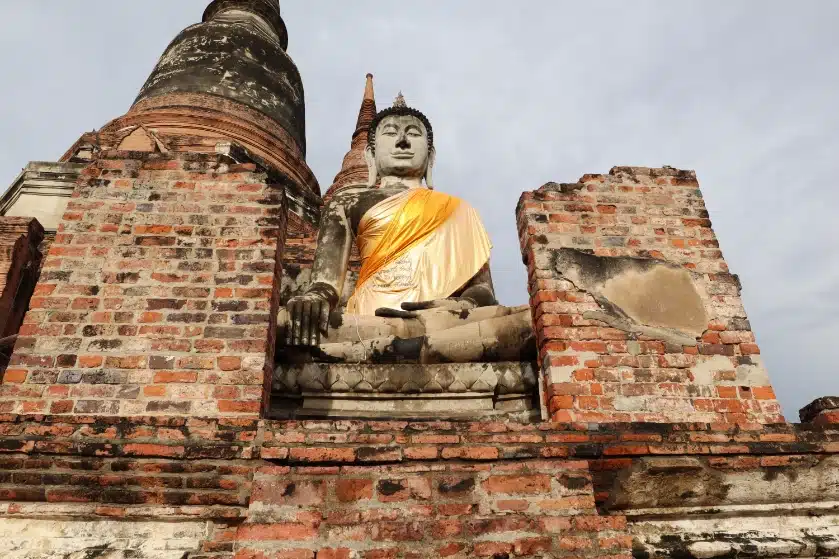
An active monastery known for its enormous bell-shaped chedi, Wat Yai Chai Mongkhon (“Great Monastery of Auspicious Victory”) is a must-see outside the main island. King Naresuan built the huge stupa in 1592 to celebrate a victory over Burma, and you can climb up its steep steps for a rewarding view over the temple grounds.
Around the chedi stand rows of saffron-clad Buddha statues, and near the entrance lies a 7-meter reclining Buddha draped in orange cloth. The temple’s manicured gardens and resident monks give it a peaceful, living atmosphere contrasting with the ruins elsewhere.
Prominence: ★★★★☆ (Highly Recommended) – Famed for its giant victory chedi and photogenic Buddha statues, symbolizing Ayutthaya’s resilience.
Visitor Tips: Climb the central chedi’s steep steps for a panoramic view of the Buddha courtyard, but hold the rail and take care, especially when descending. As this is an active temple, dress modestly and remove shoes in any carpeted prayer areas. Try ringing the line of bells near the entrance for a bit of good luck (a common practice in Thai temples).
Best Visited: Late Afternoon, when the heat subsides and the sun casts a golden hue on the chedi and statues.
Wat Phanan Choeng (วัดพนัญเชิง)
Early temple known for its enormous seated Buddha and links to Chinese legends.
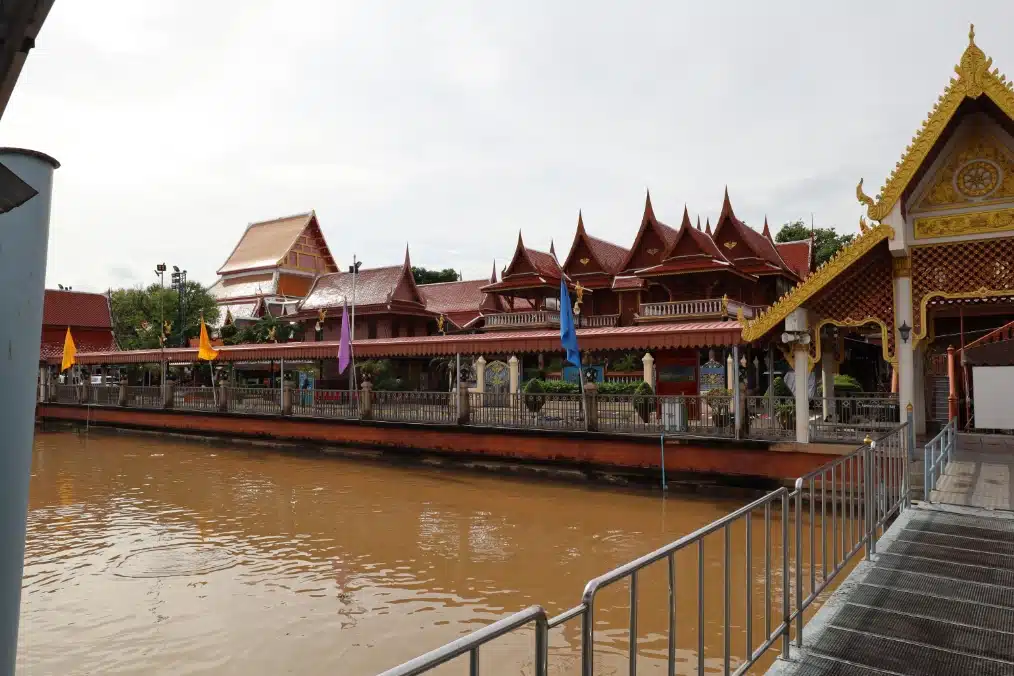
Older than Ayutthaya itself, Wat Phanan Choeng dates from 1324 and houses a 19-meter-high gilded seated Buddha known as Luang Pho To. The image is deeply revered, and the main hall is often full of worshippers bringing offerings and chanting.
The temple is very much alive, with chanting, offerings and rituals such as draping the Buddha with new robes. The compound also has Chinese influenced architecture and a riverfront shrine linked to the legend of a Chinese princess, reflecting the multicultural roots of the city.
Prominence: ★★★★☆ (Highly Significant) – Home to one of Thailand’s most beautiful and revered giant Buddha images, with an atmosphere of continuous devotion.
Visitor Tips: The large hall can get crowded with worshippers, especially on weekends, stay toward the back or upstairs for a respectful view of ceremonies. Don’t miss the Chinese shrine by the river, adorned with dragon motifs, which adds cultural context. You may hear the harmonious chanting of prayers – feel free to sit quietly and observe.
Best Visited: Morning, to observe worship activities and avoid afternoon tour groups.
Wat Ratchaburana (วัดราชบูรณะ)
Temple with one of Ayutthaya’s best preserved prang towers and a famous treasure filled crypt.
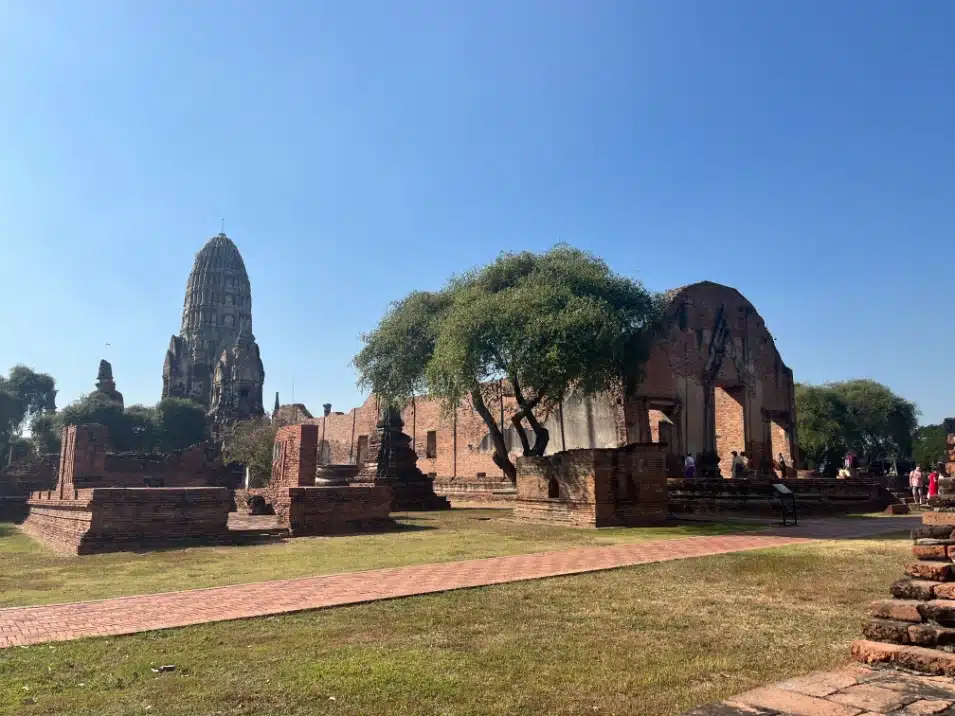
Wat Ratchaburana (“Temple of Royal Restoration”) boasts one of Ayutthaya’s best-preserved Khmer-style prang towers, which soars above the surrounding ruins. King Borommarachathirat II built this temple in 1424 on the cremation site of his two elder brothers, who tragically died fighting each other for the throne. The central prang’s crypt famously housed a trove of gold treasures and Buddhist relics, many of which were stolen in a 1957 looting, though a portion was recovered and is now displayed in the nearby museum.
Visitors can descend a narrow staircase into the crypt chamber (when open) to glimpse faded murals and imagine the once-hidden riches. Around the prang stand smaller chedi and vestiges of halls, showing a mix of Ayutthayan and Angkorian architectural influences. Despite past pillaging, Wat Ratchaburana remains a favorite for its detailed stucco carvings, spiritual ambiance, and the adventure of exploring its underground vault.
Prominence: ★★★★☆ (Must-See) – Renowned for its intact central prang and the legend of its hidden gold treasure.
Visitor Tips: If crypt access is open, be prepared for very steep, dark stairs bring a phone light and watch your head. The best views of the prang’s intricate stucco work are from the base, look for garuda and naga motifs on the tower. Late afternoon visits can be magical as the sun casts golden light on the prang.
Best Visited: Morning or Late Afternoon (morning for cooler weather; late afternoon for best light on the prang).
Wat Phra Ram (วัดพระราม)
Early royal temple beside a pond, known for its elegant prang and quiet park setting.
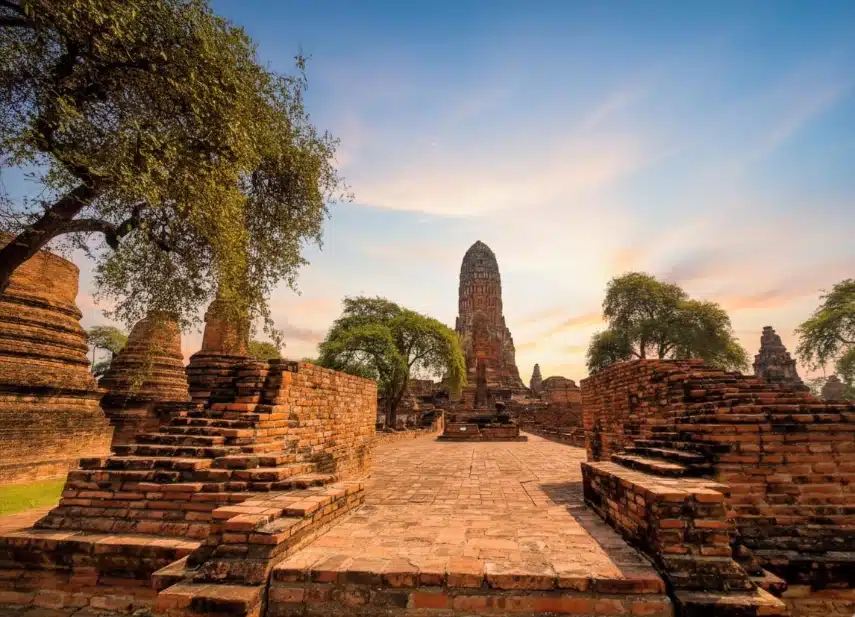
Wat Phra Ram is a classic example of early Ayutthaya temple architecture set in a tranquil park setting. Constructed around 1369 by King Ramesuan on the cremation site of his father King U-Thong (Ayutthaya’s founder), this temple is deeply tied to the dynasty’s beginnings. Its centerpiece is a tall, elegant central prang in Khmer style, partially restored and still towering over the grounds. Surrounding it are smaller chedi and the foundations of assembly halls. The prang’s weathered stucco still hints at intricate floral and celestial designs, and niches where Buddha images once stood are visible.
Wat Phra Ram sits adjacent to a large scenic pond (Bung Phra Ram), making it a peaceful spot where lotus flowers bloom and locals enjoy strolls. While historically not as prominent as Wat Mahathat or Wat Phra Si Sanphet, this temple likely served as a memorial for the first king. Today its relative emptiness and open lawns offer a pleasant contrast to busier sites, allowing visitors to appreciate the architecture and setting – especially in the early morning when the mists rise off the water and the prang reflects in the pond.
Prominence: ★★★☆☆ (Worth a Stop) – An early royal temple on King U-Thong’s cremation ground, valued for its serene environment and classic prang.
Visitor Tips: This site is great for a relaxed walk. If you have a camera, try capturing the prang’s reflection in the adjacent pond (best mid-morning). Information signage is limited, so reading a bit of history beforehand will enrich your visit. There’s often an ice-cream or fruit cart near the park entrance, a sweet treat in the shade is a nice break!
Best Visited: Evening, when the ruin is quiet and the prang is accented by the setting sun.
Wat Lokayasutharam (วัดโลกยสุธาราม)
Open air reclining Buddha surrounded by low ruins, ideal for a short, reflective stop.
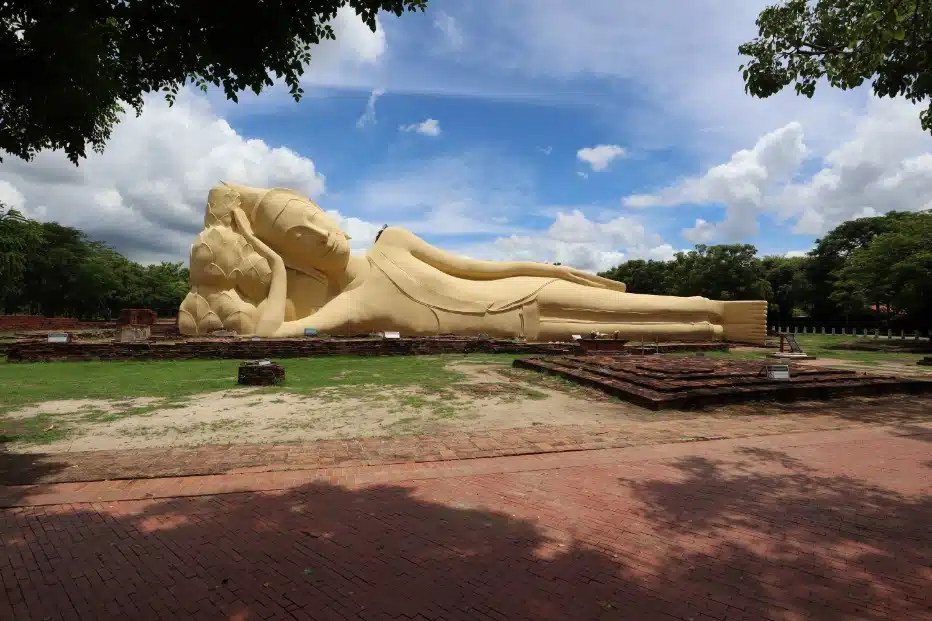
Also known as the Temple of the Reclining Buddha, Wat Lokayasutharam is famous for its gigantic outdoor Reclining Buddha statue. The Buddha measures about 42 meters long and 8 meters high, serenely lying on its side with its head resting on a lotus. Covered in bright orange cloth, it’s an impressive sight against the sky.
The rest of this temple lies in low ruins, only brick foundations and pillars remain of the ordination hall that once housed the statue. Many visitors come here just to pay respects to the reclining Buddha, which is considered the largest in Ayutthaya. It’s customary to leave offerings or purchase a small piece of orange cloth to place on the Buddha for merit.
Prominence: ★★★☆☆ (Hidden Gem) – Not on all tour itineraries, but worth seeing.
Visitor Tips: Midday sun can be strong here with no shade, consider visiting in early morning or late afternoon when the light is softer on the Buddha’s face. For a unique photo, stand at the statue’s feet looking toward the head. Respect the sanctity: do not climb on the Buddha (there are raised platforms for viewing the head closely).
Best Visited: Late Afternoon, as the reclining Buddha’s west-facing profile catches the warm light (and it’s more comfortable temperature-wise).
Wat Phu Khao Thong (วัดภูเขาทอง)
Tall white stupa rising above rice fields, offering countryside views and sunset light.
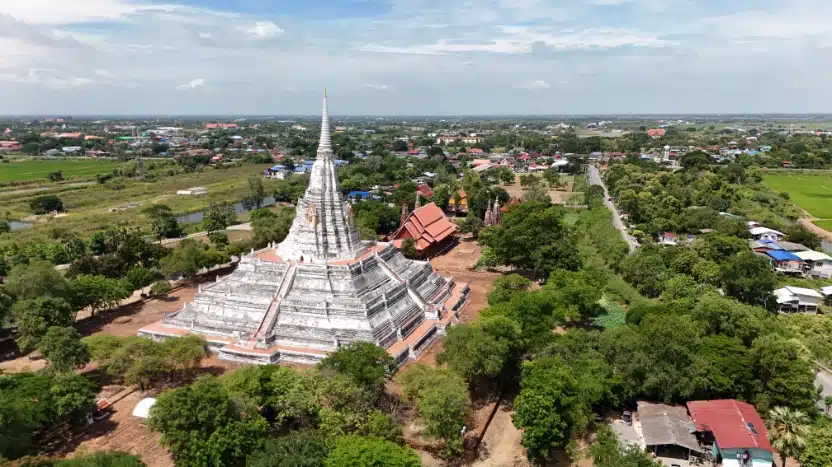
Rising from flat rice fields northwest of the city, Wat Phu Khao Thong (“Monastery of the Golden Mount”) features a towering white chedi that dominates the landscape. Its origins date to 1569, when the Burmese built the base to commemorate their conquest of Ayutthaya. After the Thai retook the city, the structure was adapted and expanded in Thai style, blending Mon and Siamese elements.
Today, visitors can ascend halfway up the 50-meter stupa for panoramic views of the countryside, a rare perspective beyond the central ruins. At the base, a small active shrine and monastery serve the local community, and rows of rooster statues honor King Naresuan, who is believed to have won a symbolic cockfight nearby. The site’s solitude and wide-open space make it a favorite for those seeking quiet reflection or striking sunset photos.
Prominence: ★★★☆☆ (Hidden Gem) – Not on all tour itineraries, but worth seeing.
Visitor Tips: There’s ample parking near the stupa if you come by car or tuk-tuk. Visit at sunset for a breathtaking view, you’ll see the sun set over rice paddies with the chedi glowing golden (true to its name). Be prepared for the wind at the top. Also, bring water; there are occasionally local vendors, but not guaranteed.
Best Visited: Evening, to enjoy sweeping sunset vistas from the upper terraces of the chedi.
Wat Na Phra Men (วัดหน้าพระเมรุ)
One of the few temples not destroyed in 1767, with a crowned Buddha and original Ayutthaya style hall.
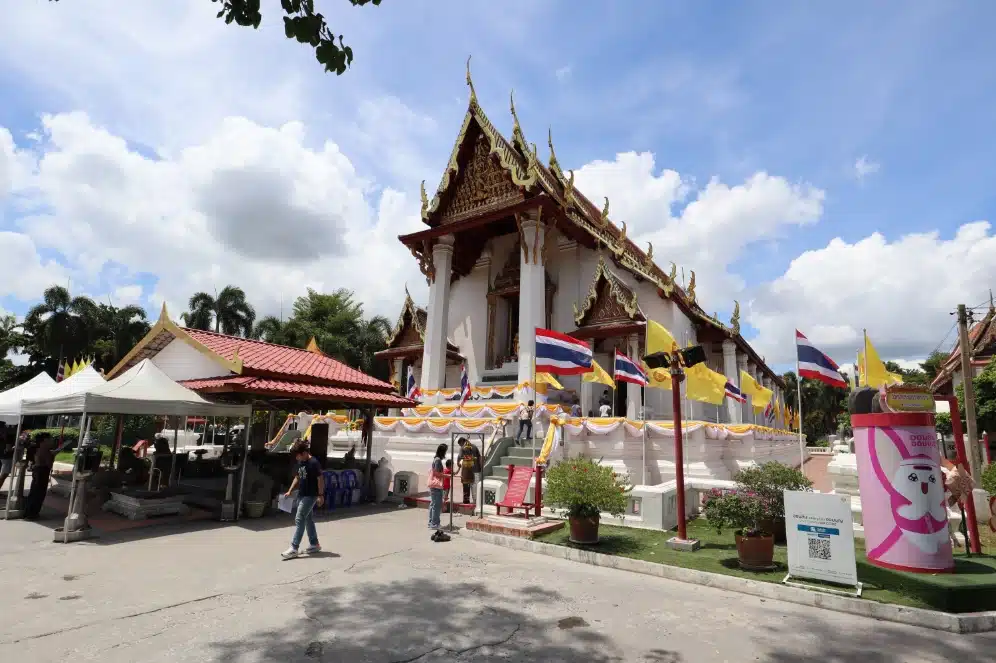
Wat Na Phra Men is located just north of the Island, it served as a Burmese military camp during the final siege, which spared it from destruction. Inside the main hall stands a rare, crowned Buddha image in regal attire, dating from the mid-17th century, fully intact and radiating majestic calm.
The hall’s wooden roof and ornate pillars reflect original Ayutthaya architecture. A smaller adjacent chapel houses a unique Dvaravati-style Buddha, seated in European posture (legs down), a striking contrast to more familiar styles. The peaceful temple grounds, with bonsai trees and occasional chanting monks, offer a serene retreat and an authentic glimpse into the spiritual atmosphere of old Ayutthaya.
Prominence: ★★★☆☆ (Hidden Gem) – It is located outside of the main island and lesser known. It gives a glimpse into what Ayutthaya looked like before it got destroyed.
Visitor Tips: To get here, you can rent a bicycle or take a short ferry across the river from the old city. Inside the viharn, notice the detailed woodcarvings and the Buddha’s ornate crown. As with all active temples, dress modestly. Late morning is a good time to visit, as the temple is usually quiet and you might have the magnificent crowned Buddha almost to yourself.
Best Visited: Morning, to appreciate the temple’s tranquility and historic artifacts before it gets warmer in the day.
Wat Thammikarat (วัดธรรมิกราช)
Temple where restored lion statues circle an octagonal chedi, mixing ruins and active worship.
An intriguing mix of active monastery and ancient ruin, Wat Thammikarat lies just east of the old Royal Palace. Parts of this temple predate the founding of Ayutthaya (possibly 12th–13th century), and it was later expanded by Ayutthayan kings. The most striking feature is its large octagonal chedi ringed by 52 stone lions, a unique sight, as most Thai temples use elephant statues instead of lions to guard stupas. Many of these life-sized lion guardians have been restored, giving the chedi a powerful, stately aura.
The temple grounds also display a replica of a giant bronze Buddha head (the original, found here, is now in a Bangkok museum), reflecting the site’s rich past. Today, Wat Thammikarat is an active temple; you might see monks chanting or locals offering rooster figurines by a shrine (offerings tied to King Naresuan’s folklore). The blend of crumbling ancient structures and contemporary worship gives Wat Thammikarat a distinctive charm, illustrating how Ayutthaya’s history is still very much alive.
Prominence: ★★★☆☆ (Hidden Gem) – Not on all tour itineraries, but notable for its unique lion-adorned stupa and ancient atmosphere.
Visitor Tips: Don’t miss the lion-surrounded chedi for a great photo op, you can walk around it 360°. Inside the active prayer hall, a sign invites you to pour “holy water” over a small Buddha for blessings, a local ritual you can respectfully participate in. As always in active temples, remove shoes and dress modestly if entering the chapel.
Best Visited: Midday, as a restful stop when touring (the active worship area provides a cooler respite with benches to sit).
Royal Residences and Ruins
Ayutthaya’s palaces were centers of power and ceremony. While the main royal complex lies mostly in ruins, some palatial sites and structures remain or have been restored, giving a glimpse into the opulence of the Ayutthaya court.
Bang Pa-In Royal Summer Palace (พระราชวังบางปะอิน)
Lake dotted royal retreat mixing Thai, Chinese and European buildings in manicured gardens.
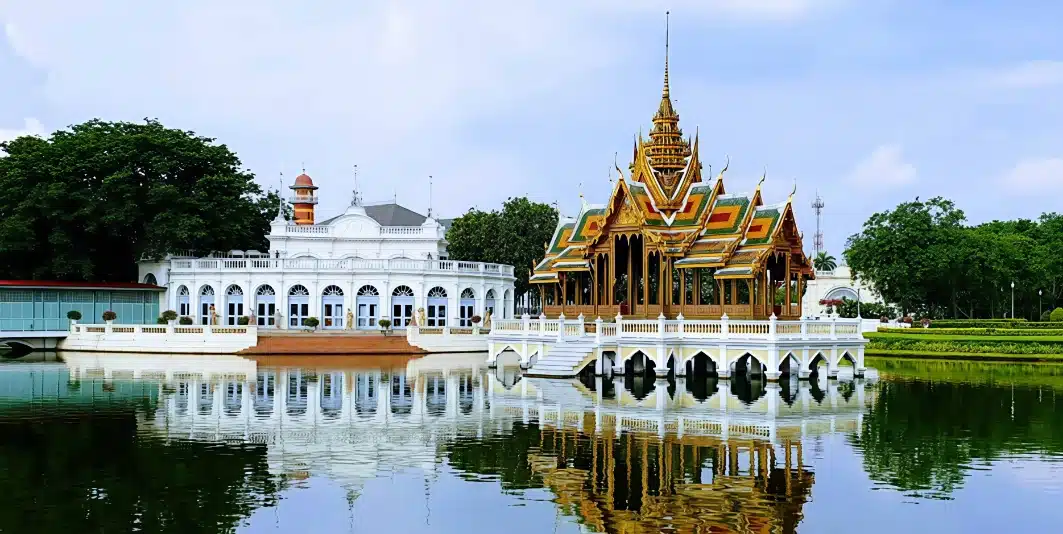
A beautifully landscaped summer palace outside Ayutthaya city, Bang Pa-In offers a serene contrast to temple ruins. Originally built in the 17th century and expanded by 19th-century kings, the palace showcases a mix of Thai, Chinese, and European architecture set around ornamental ponds.
Highlights include the elegant Thai-style Aisawan Thiphya-Art pavilion built in the middle of a lake, a brightly colored Chinese mansion (Wehart Chamrun), and a tall lookout tower (Ho Withun Thasana) you can climb for a panoramic view. Lush gardens, topiary sculptures, and flower-lined avenues connect the buildings. Visiting Bang Pa-In is like strolling through a royal garden estate, a peaceful day trip with plenty of photo opportunities.
Prominence: ★★★★☆ (Highly Recommended) – A unique showcase of Thai, European, and Chinese architecture in a royal garden setting; ideal for those interested in later-period royal history or a leisurely excursion.
Visitor Tips: A dress code is enforced: no shorts, short skirts, or sleeveless tops (similar to visiting a temple), since this is a royal site. Upon entry, you can rent an electric golf cart (~400 THB per hour) if you prefer not to walk the extensive ground, though walking allows you to soak in the scenery. Plan to arrive early to avoid midday heat, and carry water. Don’t skip the lookout tower (Ho Withun Thasana), the climb is worth the breeze and view.
Best Visited: Morning, for pleasant weather and gentle light on the palace pavilion.
Chantharakasem Palace and Museum (พระราชวังจันทรเกษม)
“Front Palace” turned museum, linked to King Naresuan and early city defence.
Also known as Chandra Kasem or the “Front Palace,” this was a secondary palace built in 1577 by King Maha Thammarachathirat for his son (the future King Naresuan). Chantharakasem Palace is located at the northeastern corner of Ayutthaya’s island, strategically positioned to monitor the frontier. The palace was later used by other princes and as a residence for visiting kings of Siam during the Ayutthaya era. Today, the surviving buildings and grounds have been converted into the Chantharakasem National Museum, allowing visitors to explore both the architecture and historical artifacts.
Key structures include the Phisal Throne Hall, a traditional Thai-style building that houses royal regalia, weapons, and sculptures, and the observatory tower (Ho Withun Thasana), which King Narai reportedly used for stargazing in the 17th century. There’s also a two-story colonial-style building displaying ceramics, Buddha images, and everyday items from the Ayutthaya period. Walking the shaded grounds, one can imagine royal life on a more intimate scale here compared to the Grand Palace. The mix of original foundations and later restorations gives Chantharakasem a different vibe, part palace ruin, part museum gallery.
Prominence: ★★★☆☆ (Interesting for History Buffs) – A lesser-known royal palace turned museum, offering insight into King Naresuan’s era and Ayutthaya court life.
Visitor Tips: Photography is allowed in the outdoor areas but generally not inside museum exhibitions (look for signs). It’s advisable to bring socks, you’ll need to remove shoes in some indoor rooms. Don’t miss the room displaying King Naresuan’s story and the famous black cannon. From the old observatory tower, you get a nice view of the Lopburi River. Keep your ticket stu, it’s sometimes checked when moving between buildings.
Best Visited: Midday, to escape the heat in museum galleries while absorbing Ayutthaya’s royal history.
Ruins and historic sites
Beyond temples and palaces, Ayutthaya has other significant ruins from defensive forts to foreign settlements, that tell the story of a cosmopolitan, fortified island city.
Elephant Kraal (เพนียดคล้องช้าง)
Atmosphere filled wooden stockade used for royal elephant round ups and selections.
Ayutthaya’s Elephant Kraal is a fascinating historic structure once used for the royal round-up of wild elephants, an important traditional event. It consists of a large stockade made of tall teak logs arranged in a semi-circle, narrowing to a corral gate. In the past, elephants were driven from the forests into this enclosure for the king to select war and work elephants.
Uniquely, this is the only remaining elephant kraal in Thailand. A small white shrine to Ganesha (the elephant-headed deity) sits atop the gate, signifying elephant lore. Today, the adjacent area is an elephant refuge, so you might see domesticated elephants relaxing under nearby shelters. The kraal itself, however, stands as a silent witness to Ayutthaya’s regal pageantry and the importance of elephants in Siamese culture.
Prominence: ★★★☆☆ (Unique Historic Relic) – A must for those interested in Siam’s elephant history; notable as the last surviving elephant trap of its kind in the country.
Visitor Tips: There isn’t much interpretive signage, so reading about the kraal beforehand or hiring a guide can enrich your visit. Mornings or late afternoons are best if you want to see elephants from the nearby Elephantstay project feeding or bathing.
Ethical note: If you visit the elephant camp next door, consider just observing or supporting their feeding/bathing routine rather than riding. The kraal structure itself makes for unique photos – try to capture the curved formation of the wooden posts from one end.
Best Visited: Late Afternoon, for potential elephant activity and comfortable light.
Pom Phet Fortress (ป้อมเพชร)
One of the last remaining city forts, guarding the point where rivers met at Ayutthaya’s main harbour.
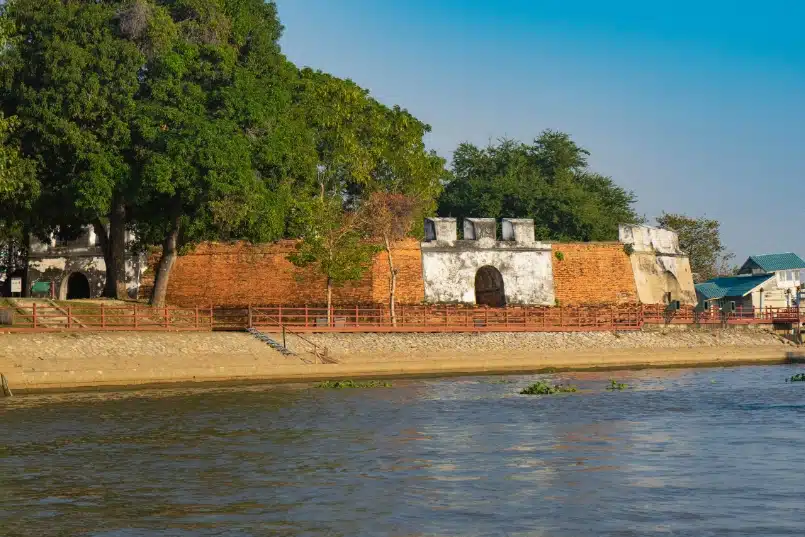
In Ayutthaya’s prime, imposing brick fortresses punctuated the city’s walls to defend against naval attacks. Pom Phet or the “Diamond Fort” was one of Ayutthaya’s largest and most crucial bastions, guarding the confluence of the Chao Phraya and Pa Sak Rivers at the southwestern tip of the island. Today, Pom Phet is one of only two surviving forts (partially restored) that hint at the old city’s formidable defenses. What remains are sections of thick laterite and brick walls about 6.5 meters high and 14 meters thick, forming a roughly octagonal platform.
You can climb a short stair to stand atop the fort and imagine cannons once mounted there overlooking the waterways. In fact, foreign merchant ships in the 17th century were required to dock near this fort for inspections, as Pom Phet protected Ayutthaya’s main harbor. The fort’s strategic angle provided crossfire coverage of both rivers. Walking around Pom Phet, you’ll see the outward-pointing walls that gave it the “diamond” shape for which it’s named. The surrounding Pom Phet park, with a riverfront promenade and benches, now offers a relaxing spot to enjoy river views where war galleons once loomed.
Prominence: ★★☆☆☆ (Minor Site) – While not much remains, it’s one of the last standing pieces of Ayutthaya’s fortifications and offers context on the city’s military layout.
Visitor Tips: In the late afternoon, locals gather here to exercise or fish by the river. Visit around sunset for a beautiful scene of the river and to feel the breeze through the old ramparts. Information plaques (Thai/English) provide a brief history. The park around the fort is well-lit in the evening, making it safe for a quick after-dinner stroll if you’re staying nearby.
Best Visited: Morning or Sunset – morning for solitude and seeing fishermen on the rivers, sunset for golden light on the fort’s bricks.
Portuguese Settlement (หมู่บ้านโปรตุเกส)
Archaeological park at the site of Thailand’s first European settlement, with church foundations and a small museum.
In the early 16th century, Ayutthaya welcomed the Portuguese – the first Europeans in Siam. By 1540, the Portuguese community was granted land about 3 km south of the city, which grew into a thriving Portuguese Settlement (Campos Português) housing merchants, missionaries, and soldiers. It was likely the largest European enclave in Ayutthaya, with a population of around 3,000 and three churches serving its Catholic residents. Today, at the site (called Ban Portuguese by locals) you can see the low brick foundations of what was São Pedro (Saint Peter) Church, the first Dominican church in Thailand, built in 1540.
Nearby stands a small on-site museum displaying skeletons unearthed from the Dominican graveyard as well as ceramics, trade goods, and weapons found during excavations. These solemn relics shed light on the lives of the Portuguese in Ayutthaya, who served as military advisors and international traders. While much of the settlement was destroyed or overgrown after Ayutthaya’s fall, the exposed ruins and informative signage help visitors imagine this multicultural facet of the old capital. The Portuguese Settlement site is a quiet, open field by the river, giving a sense of the once-bustling riverside port where Iberian traders and missionaries walked 500 years ago.
Prominence: ★☆☆☆☆ (Off the Beaten Path) – Historically significant as the earliest European hub in Siam, now an archaeological park with a small museum.
Visitor Tips: The site is a bit out of town, hiring a tuk-tuk or bicycle is recommended (it’s about a 15-minute drive from the center). There’s an English information board that provides context on the community. The area is mostly outdoors with little shade, so bring a hat. Consider pairing this visit with the nearby St. Joseph’s Church (French settlement) across the river or Wat Chaiwatthanaram, which is on the way
Best Visited: Mid-Morning, when the small museum is likely open and before the day’s heat, allowing you to explore comfortably.
Sacred sites, shrines and churches
These sites, distinct from temple complexes, hold cultural or spiritual importance – from venerated Buddha images to city guardian spirits and remnants of heroic tales.
Wiharn Phra Mongkhon Bophit (วิหารพระมงคลบพิตร)
Hall containing a towering bronze seated Buddha next to Wat Phra Si Sanphet.
Located next to Wat Phra Si Sanphet, this large sanctuary hall (wiharn) houses Phra Mongkhon Bophit, a 12.6-meter tall bronze Buddha in a seated posture. The Buddha, dating to the 15th century, was heavily damaged in Ayutthaya’s fall but later restored and gilded, now appearing majestic to devotees and visitors alike.
The current building is a 20th-century reconstruction in traditional style, built to protect the image. It’s an active worship site where locals light incense and apply gold leaf to smaller statues. Stepping inside, you’ll feel the reverence as the giant Buddha radiates peace over all who gather. This hall is one of the few places in the Historical Park where you can experience a functioning religious atmosphere much like in Bangkok’s temples.
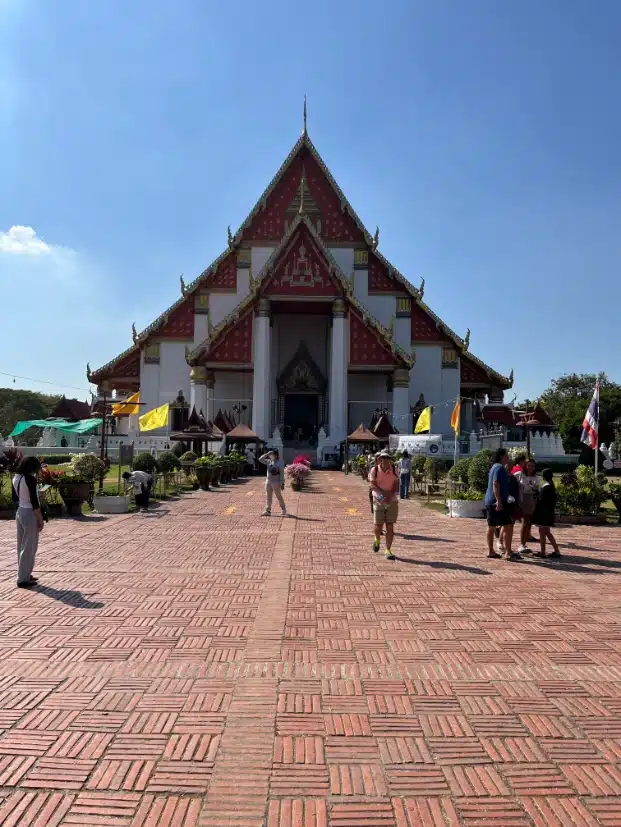
Prominence: ★★★★☆ (Culturally Significant) – A major pilgrimage spot in Ayutthaya with a 17-meter tall Buddha, representing one of the largest bronze Buddha figures in the country.
Visitor Tips: As this is an indoor sacred space, remove your shoes before entering the hall. If you want to make a small offering, you can buy incense and candles at the door for a few baht. For a memorable sight, stand near the entrance to take in the full height of the Buddha – it’s truly massive. This hall can provide a quick respite from the heat, but keep your voice low and movements calm out of respect for those praying.
Best Visited: Morning, in combination with the surrounding palace ruins, to witness local worship and avoid tour bus crowds later in the day.
Phra Chedi Si Suriyothai (พระเจดีย์ศรีสุริโยทัย)
White and gold stupa honoring Queen Suriyothai, who died protecting her king in battle.
This solitary white-and-gold chedi stands as a monument to one of Ayutthaya’s greatest heroines, Queen Suriyothai. In 1548, during a battle against Burmese invaders, Suriyothai famously donned armor and rode into combat on elephant-back to protect her husband, King Maha Chakkraphat. She sacrificed her life in the duel, saving the king – an act of bravery that became legend. Grieving his queen, the king erected this memorial stupa on the spot of her cremation. The chedi itself is Sri Lankan (Sinhalese) in style: bell-shaped with a square base and a slender spire. It was later restored and now gleams white, with a gilded top under sunlight
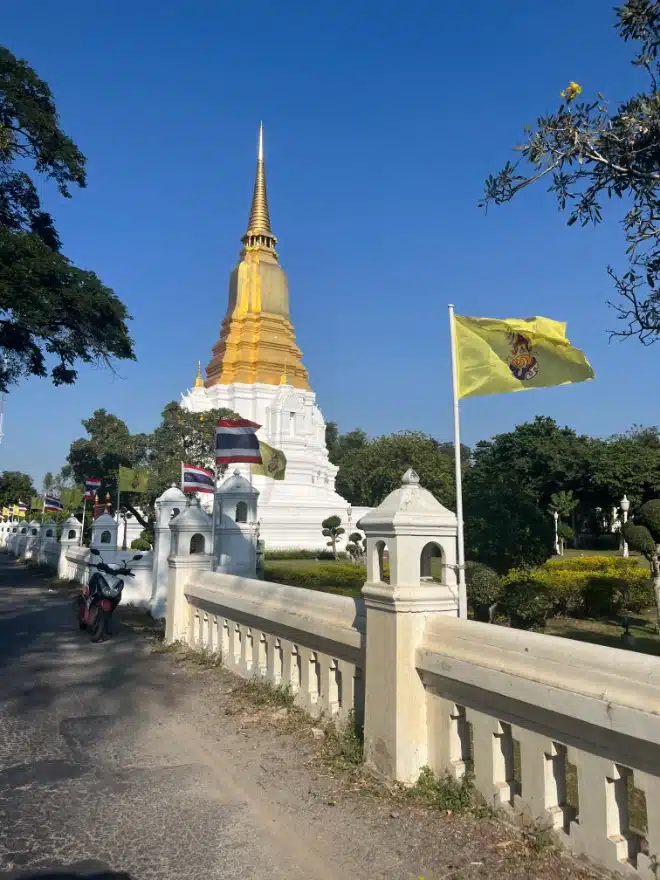
Phra Chedi Si Suriyothai is located in a small park near the western city wall, Chedi Phra Si Suriyothai is often quiet, receiving fewer tourists, but Thai people know it as a symbol of female valor and loyalty. There is a memorial plaque describing Suriyothai’s story, and sometimes flower garlands or offerings are placed at the chedi’s base. While relatively simple compared to grand temples, this site’s historical significance and the story it represents give it emotional weight. It’s essentially Ayutthaya’s own “Joan of Arc” memorial.
Prominence: ★★☆☆☆ (Historical Memorial) – A locally revered monument honoring a queen who died to save her king; meaningful for history enthusiasts or those interested in Siamese lore.
Visitor Tips: The site is accessible via a short detour off the main tourist circuit – a tuk-tuk can easily stop here en route to or from Wat Chaiwatthanaram. Combine it with a stroll in the adjacent park by the river, which is pleasantly landscaped. If you have insect repellent, use it in late afternoon as the park by the water can have mosquitos. Reading the story of Suriyothai (posted in Thai/English) on-site will help you appreciate the chedi more.
Best Visited: Evening, for a reflective moment by the riverside and to honor a legendary queen during a peaceful time of day.
City Pillar Shrine (ศาลหลักเมืองอยุธยา)
Compact shrine to Ayutthaya’s guardian spirit, important in local daily life.
Like most Thai cities, Ayutthaya has a Lak Mueang or City Pillar Shrine – the spiritual heart and guardian of the city’s prosperity. Ayutthaya’s City Pillar Shrine is a small but important site located near the historical city center. The shrine enshrines a pillar believed to house the city’s guardian spirit (Chao Pho Lak Mueang).
Locals frequently stop by to pray for blessings, especially on important dates like city foundation day. The building itself is an elegant pavilion with ornate gables, typically painted white with gold trim, and often draped in colorful cloths. Inside, the atmosphere is reverent: offerings of flowers, incense, and wood carvings of elephants (symbolizing strength) fill the space. Though quickly seen, the City Pillar Shrine offers insight into the animist-Brahmin aspect of Ayutthaya’s cultural heritage, complementing the Buddhist sites.
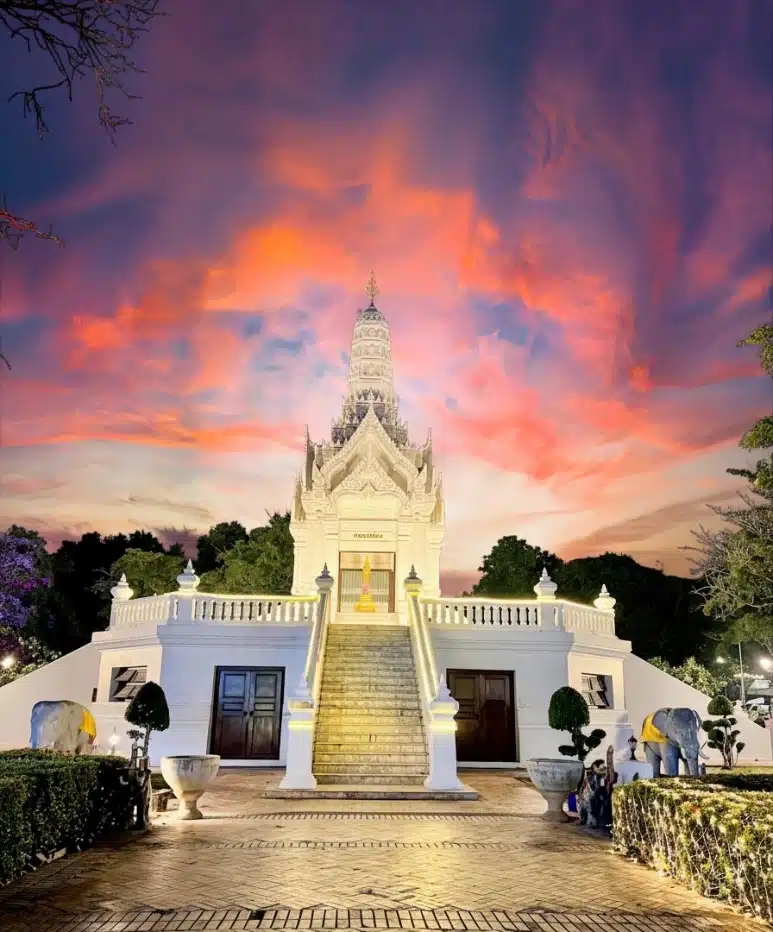
Prominence: ★★☆☆☆ (Historical Memorial) – Worth Seeing (cultural insight)
Visitor Tips: Dress modestly (as you would for a temple) and remove your shoes if entering the shrine pavilion. It’s polite to light a small incense stick (usually provided) and make a wish or prayer for the well-being of Ayutthaya or yourself. Located near the tourist information center on the island, the shrine can be a quick stop during a walking tour. Noon is an interesting time, you might catch workers on lunch break paying respects, demonstrating how integrated this shrine is in daily life.
Best Visited: Noon, as a short, culturally enriching pause between larger site visits.
St. Joseph’s Church (โบสถ์เซนต์โจเซฟ)
Yellow Catholic church founded in the 1600s by French missionaries on the riverbank opposite Ayutthaya.
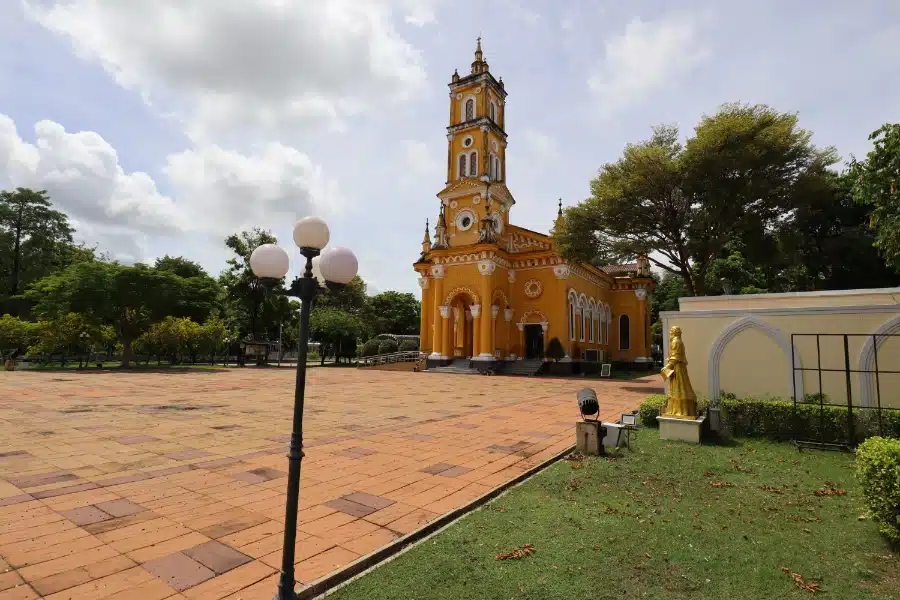
On the west bank of the Chao Phraya River stands St. Joseph’s Church – a bright yellow Catholic church that has witnessed Ayutthaya’s history since the mid-17th century. Founded in 1666, it was built during the reign of King Narai by French missionaries (led by Bishop Lambert de la Motte) who were granted land opposite the city. For about a century, St. Joseph’s served as the center of the French Catholic mission in Siam, ministering to the French, Vietnamese, and Portuguese Christians in the area. During the 1767 siege of Ayutthaya, local Christians and clergy took refuge here; the invading Burmese, however, shelled and burned the church, leaving it in ruins.
The church was rebuilt in the 19th century (and renovated multiple times since), resulting in the Romanesque-style structure seen today, with its distinctive mustard-yellow facade, a bell tower with clock, and beautiful stained-glass windows. The tranquil grounds include a cemetery where some of Ayutthaya’s 17th-century French missionaries are buried. Stepping inside, you’ll find a simple yet elegant interior with arched ceilings and wooden pews, still actively used for Mass every weekend. St. Joseph’s Church stands as a testament to the French presence in Ayutthaya and is often likened to a small piece of Europe by the river. It’s a must-see for those interested in the lesser-known religious tapestry of Ayutthaya beyond the Buddhist temples.
Prominence: ★★★☆☆ (Notable Colonial Heritage) – An enduring symbol of French influence in Ayutthaya, founded in King Narai’s era and still an active church today.
Visitor Tips: Even if the church is closed, you can admire the façade and stroll the riverside grounds. For a peek inside without attending Mass, you might try visiting Sunday around 8:30 to 9:00am when the doors open for the service. Dress modestly (as for any religious site) if you plan to go in. Combining this with a trip to the nearby Portuguese Settlement site makes sense to cover both the French and Portuguese legacies.
Best Visited: Late Afternoon (exterior) or Sunday Morning (for interior access and mass).
Museums (พิพิธภัณฑ์) – Preserving Ayutthaya’s Heritage
Ayutthaya’s museums display the wealth of artifacts recovered from the ruins, offering context and air-conditioned relief. They are essential to truly appreciate the city’s history and art.
Chao Sam Phraya National Museum (พิพิธภัณฑสถานแห่งชาติ เจ้าสามพระยา)
Main museum for Ayutthaya’s golden treasures, Buddha images and artifacts from excavations.
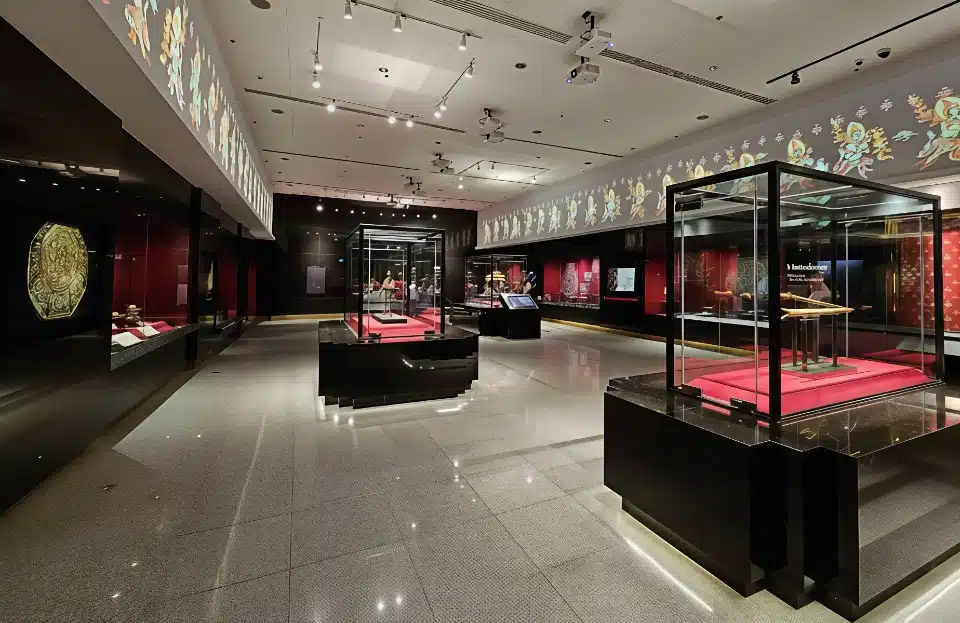
This is Ayutthaya’s premier museum and a treasure trove of artifacts excavated from the ruins. Opened in 1961, the Chao Sam Phraya National Museum was named after an Ayutthaya king and built specifically to house the spectacular finds from Wat Ratchaburana and other sites. The museum’s collection features an astounding array of gold objects and royal regalia that survived centuries underground. Highlights include intricate golden Buddha reliquaries and votive tablets discovered in Wat Ratchaburana’s crypt, as well as a golden elephant figurine studded with gems, a gold niello sword, and ornate royal ornaments, all testament to the wealth and craftsmanship of Ayutthaya.
Additionally, you’ll find Ayutthaya-era Buddha statues in stone and bronze, ceramic ware (including Chinese and Vietnamese trade ceramics), wood carvings, weapons, and even items from earlier cultures like the Dvaravati and Lopburi periods for context. The exhibits are spread across a few single-story buildings; the most famous pieces (the gold treasures) are displayed in an air-conditioned gallery with tight security (note: photography is not allowed in the gold rooms). English labels and descriptions are provided, giving insight into Ayutthaya’s art, trade, and daily life. A visit here really complements the experience of walking the ruins, as you can visualize the original objects that once adorned those temples and palaces. Seeing the golden Buddha headpieces, delicate filigree jewelry, and ceremonial swords up close is often a trip highlight for history lovers.
Prominence: ★★★★★ (Must-Visit for History) – Houses the priceless golden relics and artifacts of Ayutthaya, offering an invaluable context to the ruins.
Visitor Tips: Plan to arrive no later than 15:00, as ticket sales often stop by 15:30. Start with Building 2, where the famous gold treasures are, it’s usually the highlight (store bags in lockers as required). Remember: no photography in certain rooms (staff will remind you). The museum shop sells nice reproductions of some artifacts and books on Ayutthaya’s history. Also, the grounds have a display of Buddha images under a shelter worth a look after you exit. This museum is a great mid-day activity to beat the heat and enrich your understanding of the ruins you’ve seen.
Best Visited: Midday/Afternoon, to escape the heat and deepen your understanding of Ayutthaya’s art and treasure.
Baan Hollanda (บ้านฮอลันดา Dutch Museum)
Small riverside museum telling the story of the Dutch East India Company in Ayutthaya.
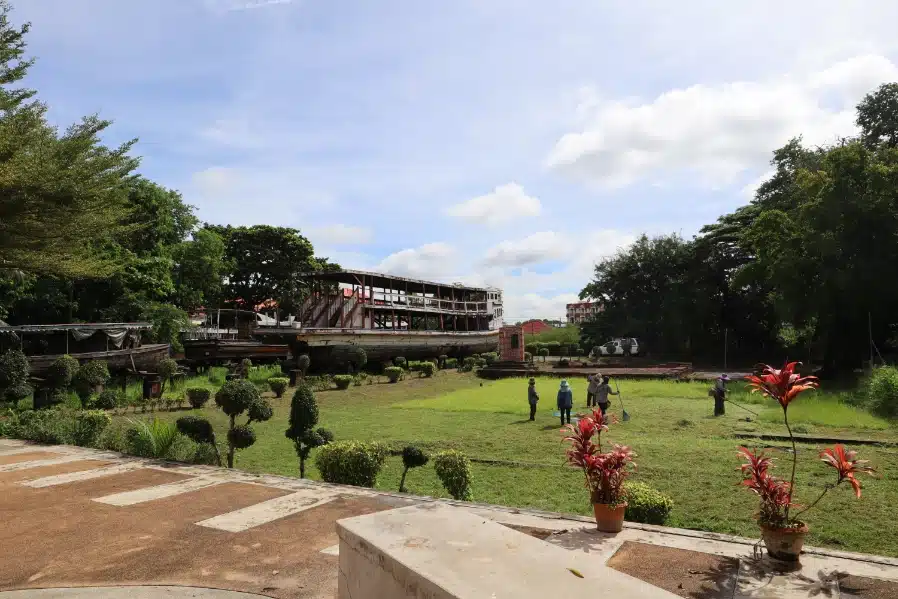
Baan Hollanda – meaning “Holland Village” – is a small but insightful museum that chronicles the history of the Dutch East India Company (VOC) in Ayutthaya. Opened in 2013 with cooperation from the Netherlands, it is built near the site of the old Dutch trading lodge, in a building that is a modern interpretation of a VOC warehouse (complete with red brick façade).
The exhibits inside (with Thai, English, and Dutch descriptions) detail the arrival of the Dutch in Ayutthaya in 1604 and the establishment of their factory in 1634 under permission from the Thai king. You’ll learn about key figures like Cornelis van Nieuhoff and Dirk van der Does, and see reproductions of old maps, trade documents, and personal letters that shed light on 17th-century commerce.
Artefacts on display include shards of Dutch Delftware pottery, beads and trade goods, and weaponry typical of the period. One section has a replica of the VOC chief factor’s offic, a peek into how business was conducted. Particularly interesting are the panels explaining the goods traded: deer hides, sappanwood, and rice from Siam in exchange for textiles and firearms from Batavia (Jakarta) and Japanese silver.
Outside the museum, a few foundation lines mark where the original Dutch buildings stood, and there’s a riverside viewpoint. Baan Hollanda effectively complements a visit to the foreign settlements by providing the stories behind the artifacts. It’s also a symbol of Thai-Dutch friendship today, often visited by dignitaries.
Prominence: ★★★☆☆ (Specialized Interest) – A niche museum for those curious about Ayutthaya’s international trade and the Dutch footprint, praised for its well-presented exhibits in a historically resonant setting.
Visitor Tips: The museum is small, essentially two main rooms but dense with information, so take your time reading the displays. The staff may offer a short introductory talk. There’s a little café corner for cold drinks and Dutch snacks (if open, try the stroopwafels). If you’re biking, be prepared for a short detour off the main road to reach it. Also note, the area was prone to occasional flooding; if visiting in monsoon season, call ahead to ensure it’s open.
Best Visited: Late Morning, as part of a tour of foreign quarter sites, to avoid the midday heat and catch the museum while it’s open.
Japanese Village (หมู่บ้านญี่ปุ่น)
Museum and garden remembering Ayutthaya’s community of Japanese traders and samurai.
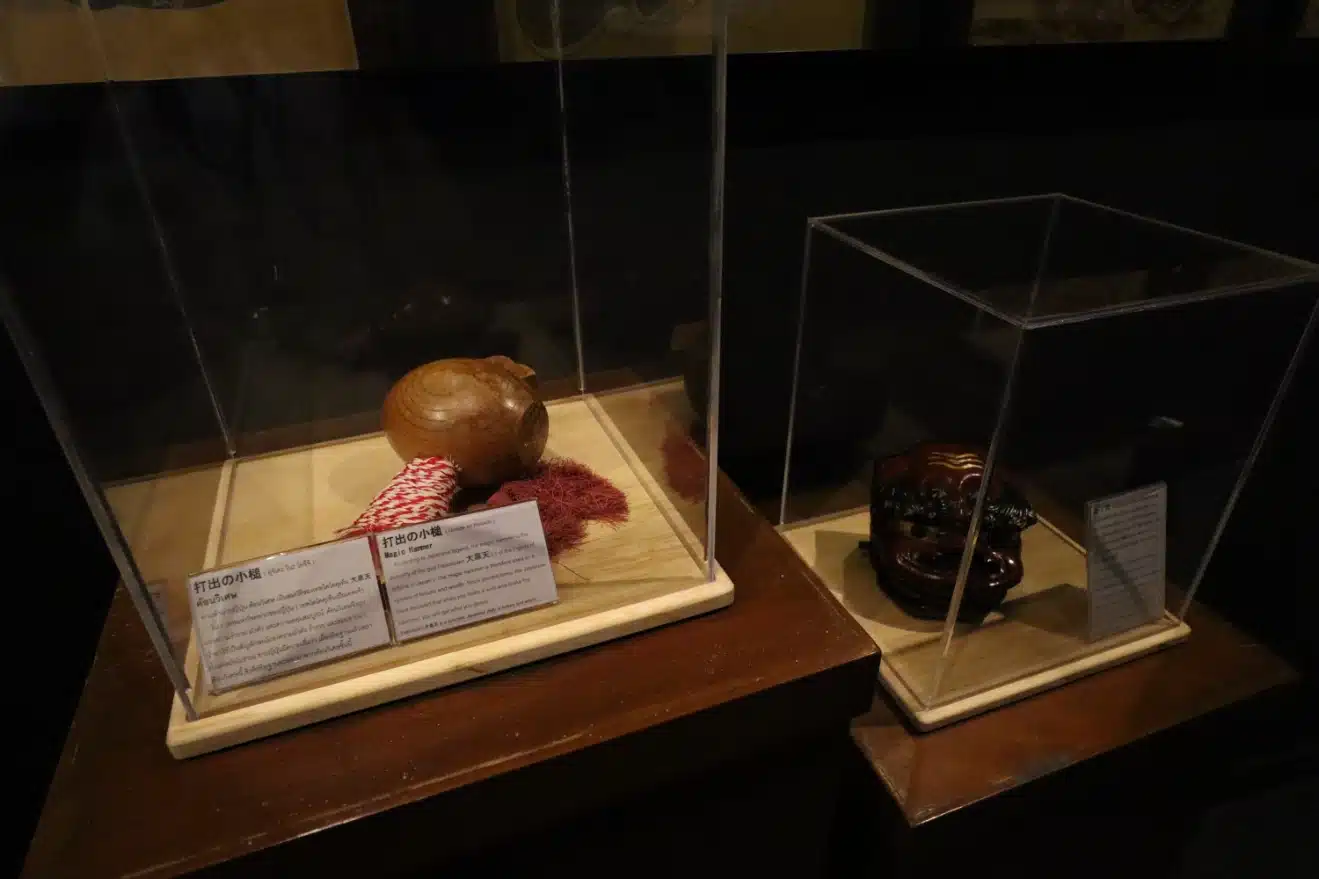
During the 1600s, Ayutthaya was home to a sizable community of Japanese traders, mercenaries, and Christian converts. The Japanese Village (Ban Yipun) historical site on the east bank of the river commemorates this community and offers a glimpse into their unique perspective on Ayutthaya’s history. Today, the site features a small museum building and Japanese-style garden. Inside the museum, you will find displays (in Thai, English, and Japanese) about notable figures like Yamada Nagamasa, a samurai who rose to become a governor under King Songtham. Exhibits include samurai armor replicas, diagrams of the Japanese quarters, and video presentations.
One highlight is how the museum presents Ayutthaya through Japanese eyes, for instance, showing excerpts from 17th-century Japanese manuscripts describing the city’s riches and even models of Japanese and Thai ships that once plied the waterways.
The complex has a tranquil Japanese garden with a torii gate and a small Shinto shrine, symbolically honoring the souls of those Japanese who lived and died in Ayutthaya. The garden’s design, with stone lanterns and bamboo, makes for a serene walk, and you can look across the river towards where the Portuguese and French settlements were, a reminder of Ayutthaya’s cosmopolitan nature.
The Japanese Village site is often overseen by the Japanese Association in Thailand, and it’s a popular stop for Japanese tourists tracing historical ties.
Prominence: ★★★☆☆ (Specialized Interest) – A peaceful memorial to Ayutthaya’s Japanese diaspora, highlighting cross-cultural exchanges; recommended if you enjoy the global side of Ayutthaya’s history.
Visitor Tips: The site is a bit far to walk from central Ayutthaya, so consider going by tuk-tuk or including it in a day hire. It pairs well with Bang Pa-In Palace or Wat Yai Chai Mongkhon due to relative proximity. Inside the museum, don’t miss the video room, the short documentary (with English subtitles) is very informative. The gift shop sells Japanese tea and some souvenirs. The gardens are a nice spot to rest; you might even spot Thai locals in kimono during cultural exchange events.
Best Visited: Afternoon, as a relaxing, informative stop after visiting the main sites, especially for those interested in international history.
Final tip: mix outdoor ruins with indoor museums and shaded cafes. Ayutthaya is at its best when you balance temple hopping with quiet moments by the river or in cool galleries. With smart timing you can enjoy the most famous temples, lesser known shrines and world class artefacts without feeling rushed.
Each place in this guide opens a different window onto Ayutthaya, from royal ceremonies and river battles to everyday worship and international trade. Whether you have one day or several, combining temples, palaces, ruins, sacred shrines and museums will give you a rich, memorable picture of this historic capital.