Ayutthaya Travel FAQ

Short, clear answers to the questions most visitors ask before coming to Ayutthaya. Use this page to prepare, then head over to the history, cafe, and transport pages for more detail.
Ayutthaya FAQ

General trip planning

Where Ayutthaya is, how long to stay, and whether a quick visit is worthwhile.

Ayutthaya is a former capital of Siam in central Thailand, about eighty kilometres north of Bangkok. It is now a UNESCO listed city known for its ruined temples, palaces, and riverside setting inside Ayutthaya Historical Park.

One day is enough to see the highlights, but staying overnight allows for a more relaxed visit.

Yes, but it’s best to focus on just a few main sites if you’re short on time.

Transportation

How to get here and how to move around once you arrive.

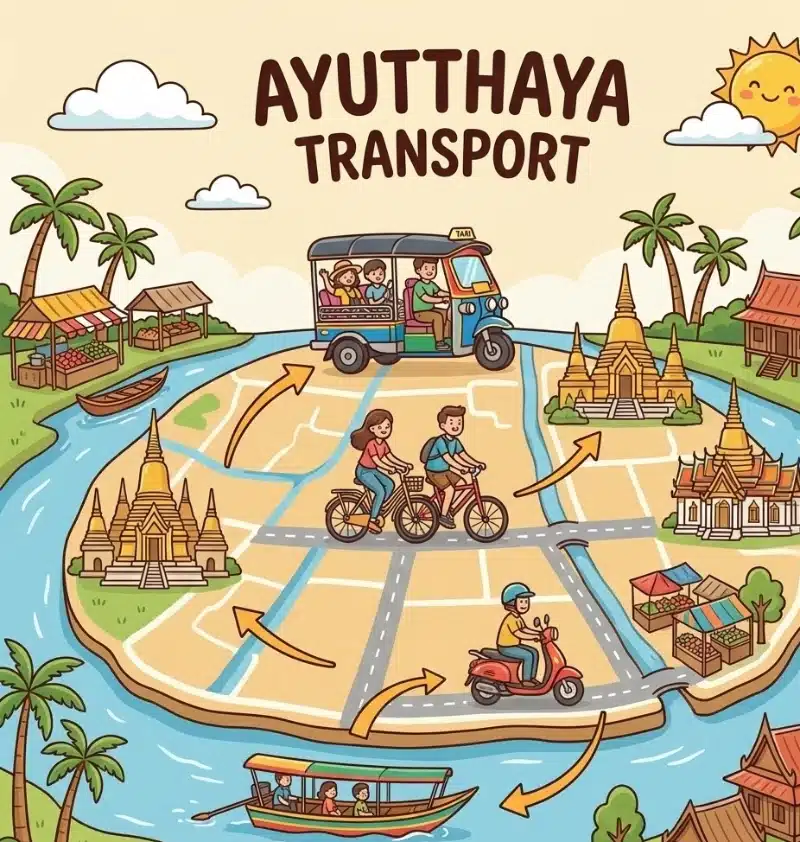
You can travel by train, bus or minivan, taxi, private car, or guided tour. Most routes take about 1.5–2 hours. Trains and minivans are budget friendly, taxis and private drivers are the most comfortable, and tours bundle transport with sightseeing.

Explore by bike, tuk-tuk, or on foot – all are convenient and affordable.

Tickets and entry

Entrance fees, passes, and where to buy them.

Most major temples charge 50 THB, or you can buy a 220 THB pass for six sites.

Tickets are sold at each temple entrance. You can ask about the combo pass at the first major site you visit. There is no need to book tickets in advance, even in high season.

Opening hours and best time to visit

Daily schedules and the most comfortable months.

Temples generally open from 8 AM to 6 PM daily, including weekends and holidays.

Visit between November and February for the best weather and festival season.

Dress code and etiquette

What to wear and how to behave at temples and ruins.

Yes. Shoulders and knees should be covered when entering temple grounds. Avoid sleeveless tops, very short shorts, and revealing clothes. A light scarf or wrap is helpful if your outfit is borderline. Here is a link to a detailed dress code.

Treat Buddha images with respect, do not climb on ruins, and avoid touching statues. Take off shoes where requested, speak quietly in sacred areas, and ask permission before taking close up photos of people, including monks.

Food and accommodation

What to eat, where to stay, and how to pay.

Classic dishes include boat noodles, grilled river prawns, and roti sai mai, a candy like floss wrapped in thin roti. Many riverside restaurants and markets specialise in these local favourites.

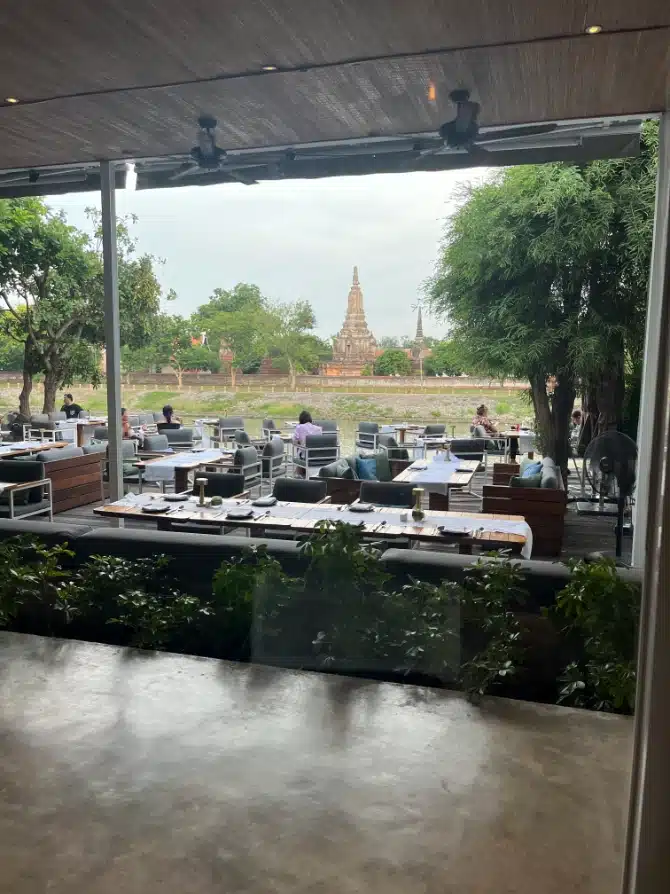
You will find simple guesthouses, boutique hotels, and higher end stays. Island locations are convenient for temple hopping, while riverside hotels offer quieter views and sunset boat access.

Larger hotels and some restaurants accept cards, but many small cafes, tuk tuk drivers, and local food stalls are cash only. It is a good idea to carry Thai baht for tickets, snacks, and transport.

Safety and health

Practical tips for staying comfortable and prepared.

Ayutthaya is generally safe and friendly. Normal travel habits still apply: keep valuables secure, be careful with bags in crowded areas, and agree on prices with drivers before a ride.

The main issues are heat, sun, and mosquitoes. Drink plenty of water, use sunscreen and insect repellent, and carry a small basic first aid kit. Comfortable walking shoes are very useful on uneven temple grounds.

Tours and guides

When to explore alone and when to hire a guide.

It is easy to explore the main sights on your own by bike or tuk tuk. A local guide adds extra context, helps plan efficient routes, and can explain stories behind the ruins, which many visitors find helpful.

Options include walking tours, cycling tours, tuk tuk circuits, river boat trips, and full day tours that start and end in Bangkok. Choose based on how active you want to be and how much structure you prefer.

Highlights and hidden gems

Must see temples and quieter places for repeat visitors.
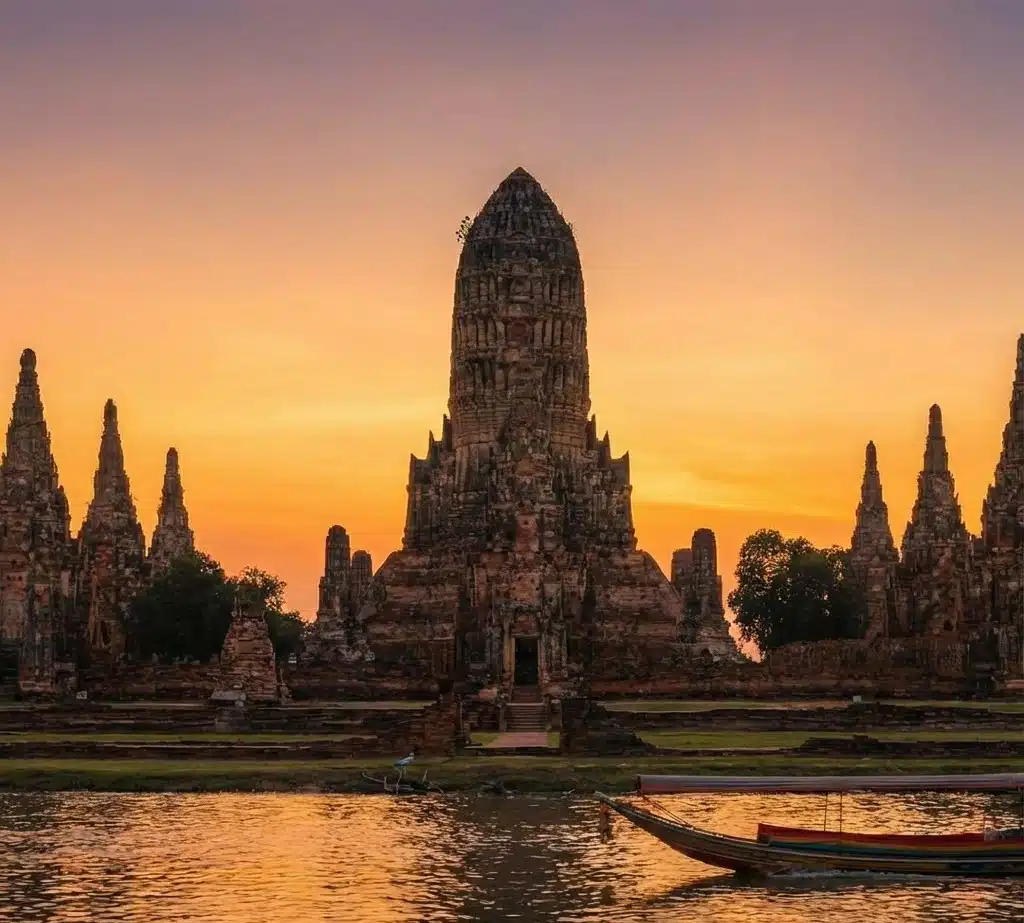
Many visitors prioritise Wat Mahathat with its Buddha head in tree roots, Wat Phra Si Sanphet, Wat Chaiwatthanaram on the river, and Wat Yai Chai Mongkhon with its reclining Buddha and tall chedi.

Quieter spots include Wat Phu Khao Thong with its tall chedi set in open fields and Wat Thammikarat, where roosters and guardian statues create a different atmosphere from the main tourist circuit.